Skip to content
Web design g0095d4467 1920

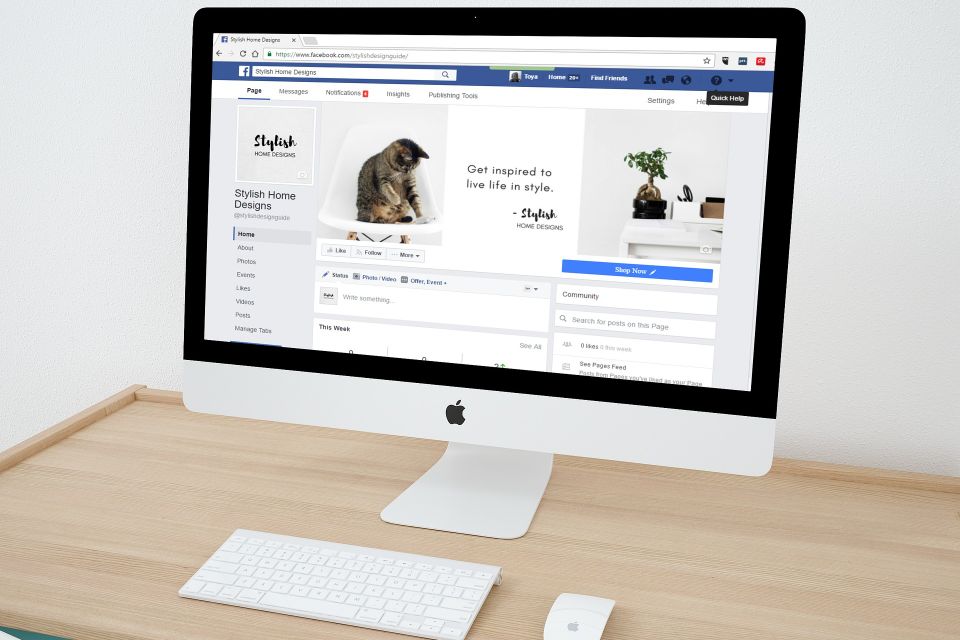
Why a Facebook Page is Not a Substitute for a Website

Many small service businesses rely on a Facebook page instead of a website, believing it’s “good enough” to attract customers.

While Facebook can be useful for visibility, it was never designed to act as your primary online presence. When a Facebook page replaces a website, businesses lose control, credibility, and long-term growth opportunities—often without realizing it.

This article explains why a Facebook page is not a substitute for a website, how this choice limits calls and trust, and what service businesses need instead.

 
Relying on Facebook alone may be costing you more than you think.
See what a service website built to generate calls actually looks like
Get Your Free Website Demo

Facebook Is a Platform You Don’t Own or Control


A Facebook page exists on borrowed ground.

Facebook controls:

 
  • Who sees your content
  • When it’s shown
  • How often it appears
  • Whether your account stays active

Algorithm changes, policy updates, or account issues can reduce visibility overnight. When Facebook is your primary presence, your business is vulnerable to changes you can’t influence.

If you’re unsure whether your current setup gives you real control and stability, this explains how to know if your service business website is actually optimized.
A business shouldn't depend on a platform it doesn't control.
Your website is the only online asset you truly own
Get Your Free Website Demo

Facebook Pages Don’t Match How Service Customers Choose Businesses


Service customers don’t browse Facebook the same way they evaluate a business.

When someone needs a service, they usually:
 
  • Search on Google
  • Check reviews
  • Visit a website to confirm trust
  • Look for a clear way to call or contact you

Facebook pages make this process harder. Important information is scattered, calls to action are weak, and professionalism is harder to convey.

Google has also been clear that user experience and engagement matter when evaluating a business's online presence, and 
explains this in how Google evaluates page experience and engagement.
If customers hesitate, they usually leave.
A well-planned website guides decisions, whereas Facebook pages interrupt decisions
See a Better Example

Facebook Supports Growth Only When It Points to a Website


Facebook works best as a supporting channel—not the foundation of your online presence.

A strong service business website provides what Facebook cannot. It centralizes trust and credibility, consistently supports local SEO, makes it easy for customers to call or contact you, and works 24/7 without being affected by algorithm changes.

Facebook, on the other hand, requires constant content to maintain visibility. Its real value is in directing attention—not in closing the deal.

When Facebook points people to a well-built website, both perform better. Social media raises awareness, while the website builds trust and converts interest into phone calls.

When Facebook stands alone, growth depends entirely on visibility you don’t control.

That’s why fast website launches for service businesses focus on building a stable foundation first—then using platforms like Facebook to support it.
Facebook is a tool, not a foundation.
See how a real service website supports growth while social media plays a supporting role
Get Your Free Website Demo